King Charles Ousts Former Disgraced Royal Prince Andrew, But CAN’T Remove Him From Line of Succession!
King Charles has finally drawn a hard line with his younger brother. The move is firm, public, and impossible to miss. Andrew Mountbatten-Windsor is no longer treated as a working royal in any sense that matters.
Still, one stubborn fact remains. The 65-year-old Ex-Duke of York is still in the line of succession. That single detail has sparked confusion and outrage, but it also exposes a truth many people forget: The British monarch does not rule by impulse.
The 77-year-old monarch has taken definitive action against his brother, which represents the strongest censure he can personally administer. The King used every personal lever available to him. He acted as head of the family, head of the institution, and guardian of the Crown’s image. What he could not do is cross the legal line set by Parliament.
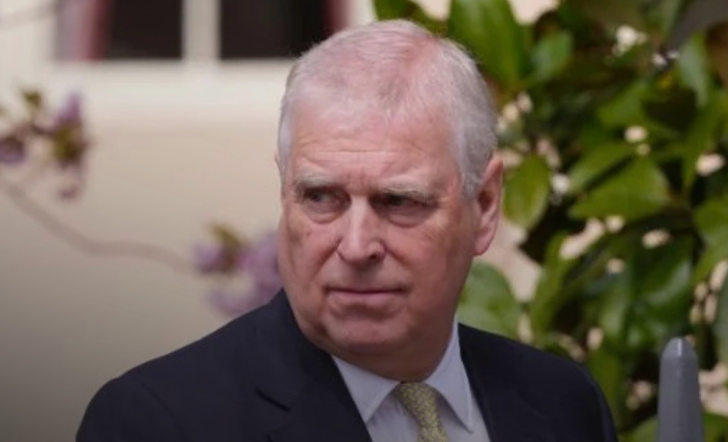
NZ Stuff / IG / The King issued a Letters Patent, the most formal tool in the royal toolbox. With that document, Andrew lost the title of ‘Prince’ and the style, ‘His Royal Highness.’
Legally and publicly, he is now Mr. Andrew Mountbatten-Windsor.
Removal from Peerage Roll
The King went further by targeting Andrew’s peerage titles. Duke of York, Earl of Inverness, and Baron Killyleagh were all pushed off the official Roll of the Peerage through a Royal Warrant.
On paper, that looks final. In reality, it is an administrative move, not a legal erasure. Constitutional experts are quick to point that out. Only Parliament can fully extinguish a peerage title. The King can remove visibility and recognition, but he cannot delete the title from the law.
Then came the eviction. Andrew was forced to give up Royal Lodge, his sprawling 30-room home in Windsor. He is relocating to private accommodation on the Sandringham estate in Norfolk. Commentators have called it the royal version of exile, far from London and public view.
The financial backing comes from the King personally. Taxpayer money is not involved. That detail matters, especially to a public tired of royal controversy.
Forfeiture of Honors

The Australian / IG / Andrew’s honors did not survive the purge. His memberships in elite royal orders, including the Order of the Garter, were cancelled and annulled.
His banner was removed from St. George’s Chapel. That act is deeply symbolic in royal culture. It signals disgrace in a way words never could.
Once removed, these honors almost never return. This was not a pause. It was an ending.
Despite all this, Andrew is still eighth in line to the throne. That reality frustrates many, but the reason is simple. The monarch does not control the line of succession.
Removing someone requires an Act of Parliament. It is not done by command, decree, or family decision. The law alone decides who stands in line. There is also an international barrier. The British monarch is head of state in 14 other Commonwealth realms. Any change to succession rules needs their consent under the Statute of Westminster 1931.
The last update, the Succession to the Crown Act 2013, took 18 months of negotiations. That change was minor compared to removing a named individual.
This system exists on purpose. As royal expert Hilary Fordwich explained, it prevents personal vendettas and protects constitutional stability.
Remember, this is not the first time the monarchy has faced a crisis like this. History offers clear examples of how succession changes actually happen.
King Edward VIII abdicated in 1936 to marry Wallis Simpson. His exit was voluntary but required legislation. Once complete, he and any future children were removed from the line.