Lionsgate’s Strategy Behind the “Michael Jackson” Biopic and Its Future Plans
The buzz around the upcoming “Michael Jackson” biopic continues to grow, and much of that anticipation ties directly to Lionsgate’s evolving strategy in Hollywood.
At the center of it all is Adam Fogelson, chair of the studio’s Motion Picture Group, who is steering the company through both wins and setbacks. His perspective offers a closer look at how modern studios balance risk, creativity, and audience expectations while shaping major releases.
This moment feels especially important. Lionsgate has delivered notable box office successes while also navigating a few public misfires. That mix reflects the unpredictable nature of the film business, where even strong planning can lead to unexpected outcomes.
Still, the studio’s leadership remains focused on long-term growth, audience connection, and carefully chosen projects.
A Studio in Transition with Confidence
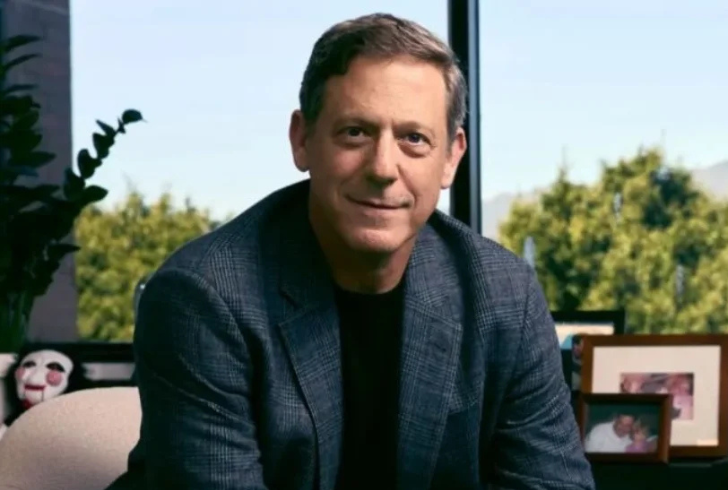
Instagram | hollywoodminutes | Since Fogelson took charge in early 2024, Lionsgate has balanced significant wins against notable hurdles.
Adam Fogelson stepped into his leadership role in January 2024, a time when Lionsgate faced both opportunity and pressure. Shortly after, the studio experienced a mix of highs and lows.
On one hand, films like “Now You See Me: Now You Don’t” brought in $243.7 million globally on a $90 million budget, while “The Housemaid” significantly outperformed expectations with $398 million worldwide against a $35 million budget.
On the other hand, several high-profile titles struggled. “Borderlands” underperformed, “The Crow” failed to gain traction, and the “John Wick” spinoff “Ballerina” did not meet expectations in expanding the franchise. These outcomes created headlines, but Fogelson emphasizes that they do not fully define the studio’s position.
The broader view highlights a company still building its current slate. With “The Long Walk,” directed by Francis Lawrence, marking a critical success, Lionsgate’s newer direction is only beginning to take shape. The strategy centers on efficiency, strong teams, and carefully selected material.
Mid-Budget Films Are Driving Momentum
One of the most telling successes comes from “The Housemaid,” which proved that mid-budget films can deliver major returns when executed with precision. This approach allows Lionsgate to target specific audiences rather than chase only billion-dollar blockbusters.
That shift changes how many films a studio can release each year. Instead of relying solely on large-scale productions, Lionsgate is investing in projects that connect deeply with defined audiences. This approach also allows more flexibility in scheduling and marketing.
Marketing itself has changed dramatically. Traditional methods, such as heavy television advertising, no longer guarantee awareness. Audience attention is now fragmented across platforms, making it harder to ensure visibility.
As a result, collaboration between filmmakers, cast, and marketing teams has become essential. Actors and creators are expected to actively participate in promoting their films, adding a new layer to the production process.
Managing Risk in an Unpredictable Industry
The film industry continues to present sharp swings between success and failure. For a company like Lionsgate, which focuses primarily on content creation, this volatility carries added weight. Without diversified revenue streams, a series of underperforming films could pose challenges.
Despite this, Lionsgate has shown resilience. Even during a difficult period that included the release of “Borderlands,” the company reported a profit. This outcome reflects the strength of its mid- and low-budget films, which often perform well without attracting major media attention.
The contrast between financial performance and public perception highlights a key issue. Big-budget disappointments tend to dominate headlines, while smaller successes quietly sustain the business.
Opportunities in a Consolidating Market
As major studios explore mergers and reduce output, Lionsgate sees potential advantages. If companies like Warner Bros. or Paramount scale back the number of films they produce, it opens space for other studios to step in.
The focus, however, remains on quality rather than sheer volume. While industry discussions often emphasize the number of films released each year, Lionsgate places greater importance on creating strong, engaging content. This approach allows the studio to compete effectively, even without matching the output of larger competitors.
Flexibility also plays a role. Without the burden of multiple $200 million productions, Lionsgate can strategically position films in competitive release windows. For example, placing “The Housemaid” in the Christmas corridor became possible because the studio did not need to reserve that slot for a major tentpole release.
Building Trust with Filmmakers and Talent

Instagram | housemaidmovie | Direct communication regarding strategy helped Lionsgate build the creative trust necessary to make “The Housemaid” a hit.
Every major release involves complex discussions between studios and creative teams. Decisions about release dates, marketing strategies, and overall positioning often require a degree of speculation. Clear communication becomes essential.
For “The Housemaid,” filmmakers and cast members, including Paul Feig, Todd Lieberman, Sydney Sweeney, and Amanda Seyfried, asked detailed questions about the film’s strategy. Lionsgate’s ability to provide thoughtful answers helped build trust, which ultimately contributed to the film’s success.
This emphasis on collaboration continues across the studio’s projects. Whether working on original films or established franchises, Lionsgate aims to create an environment where talent feels supported and confident in the studio’s direction.
“Michael Jackson” Biopic
The upcoming “Michael Jackson” biopic stands as one of Lionsgate’s most anticipated releases. Rather than attempting to cover the entire life of the iconic artist in a single film, the project focuses on a specific chapter of his journey.
This approach leaves room for a potential second film. According to Fogelson, the first installment does not fully explore Jackson’s extensive music catalog or the entirety of his life story. The filmmaking team is already preparing for the possibility of continuing the narrative when the timing feels right.
This structure allows for a more detailed and focused portrayal, avoiding the challenges of compressing a complex life into one extended runtime.
The production of “Michael Jackson” faced complications related to its original third act, which included a portrayal of an individual who had previously accused Jackson of sexual abuse. Legal agreements prevented the depiction of that individual, leading to a restructuring of the film.
Rather than viewing this as a setback, Lionsgate and the creative team saw it as an opportunity. Director Antoine Fuqua and producer Graham King worked closely with the studio to refine the narrative. The revised approach focuses more on Jackson’s rise to fame, allowing the story to remain cohesive without extending into an overly long runtime.
This adjustment also supports the idea of a multi-part series, where different phases of Jackson’s life can be explored with greater depth.
Balancing Legacy and Controversy
Any project centered on Michael Jackson inevitably involves discussions about his legacy. The film does not avoid this complexity but instead aims to present a perspective that allows audiences to form their own opinions.
Fogelson highlights the credibility of the creative team as a key factor. Both Antoine Fuqua and Graham King are known for their commitment to authentic storytelling. Their involvement suggests an effort to present a balanced and thoughtful portrayal.
At the same time, the significance of Jackson’s influence remains undeniable. His impact on music and culture continues to shape the industry, making a biographical film both relevant and necessary from a storytelling standpoint.
Beyond the “Michael Jackson” biopic, Lionsgate continues to invest in established intellectual properties. Franchises like “The Hunger Games” benefit from strong source material and dedicated fan bases.
The latest installment, based on Suzanne Collins’ work, has already generated significant interest. The book itself achieved record-breaking sales, signaling strong demand for the film adaptation. This built-in audience provides a solid foundation for success.
Casting also plays a major role. The depth and nuance of these characters attract high-level talent, creating a sense of excitement around each new release.
Expanding Universes Without Overextending
Franchise expansion requires careful timing and audience awareness. Projects like “Now You See Me 3” demonstrate the importance of waiting until there is genuine interest rather than rushing sequels.
Lionsgate evaluates whether audiences still feel connected to the characters and whether a new installment can offer something meaningful. This approach helps maintain enthusiasm rather than diminishing it.
The same principle applies to other franchises, including “Saw.” Discussions about bringing back director James Wan highlight the importance of creative vision. His potential return could introduce fresh ideas while maintaining the franchise’s identity.
Learning from “Ballerina” and the “John Wick” Universe

Instagram | unboxingmovieswithme | New additions struggle to match the high demand for deeper stories from fan favorites like Donnie Yen’s Caine.
The performance of “Ballerina” provides valuable insight into franchise expansion. While the film received strong audience reactions, it did not achieve the expected box office results.
One factor is the introduction of a new character not previously established in the “John Wick” storyline. This contrasts with audience interest in characters like Caine, played by Donnie Yen, whose story remains open-ended.
Future projects aim to build on existing connections within the franchise while allowing room for new creative directions.
Lionsgate has also taken early steps in exploring artificial intelligence within the filmmaking process. The company appointed a chief AI officer to better understand how the technology can support production.
The focus remains on efficiency rather than replacement. AI can assist in areas such as preproduction planning and postproduction editing, helping streamline workflows without replacing creative talent.
This balanced approach reflects a broader industry trend, where studios are experimenting with new tools while maintaining the human element that drives storytelling.
Upcoming Projects and Strategic Direction
Lionsgate’s upcoming slate includes a mix of original films, sequels, and high-profile collaborations. Among them is “The Resurrection of the Christ,” a two-part continuation of the story introduced in “The Passion of the Christ.”
Interest in this project has remained strong over the years, with audiences frequently asking about a sequel. Its success highlights the importance of connecting with specific audience segments that may feel underserved by mainstream content.
Another notable project is “Day Drinker,” featuring Johnny Depp in his first major American studio role since his widely publicized legal battles. The film’s development followed the same criteria applied to all Lionsgate projects: creative potential, market strategy, and financial viability.
Industry research indicates that Depp continues to rank among the most recognized and favored actors globally, supporting the decision to move forward with the project.
Lionsgate’s current trajectory reflects a studio adapting to a shifting entertainment landscape while staying grounded in its core principles. Success is no longer defined solely by blockbuster hits, but by strategic choices, audience connection, and creative collaboration.
The “Michael Jackson” biopic exemplifies this approach by focusing on a specific phase of his life, allowing for a more engaging and potentially expandable narrative.
As the industry evolves, Lionsgate’s ability to remain flexible while maintaining a clear direction will shape its future.