This Small Belgium Town Launched Global Multi-Trillion-Dollar Self-Care Industry
Long before face masks and wellness apps, there was a quiet town in eastern Belgium called Spa. Tucked into the green hills of the Ardennes, Spa became the original source of what we now call a spa day. Its name turned into a global label for health resorts and water therapy. That shift did not happen by accident.
Spa built its reputation on mineral springs that bubbled up from the earth. Travelers came for relief, not luxury, at first. Over time, those visits shaped a culture around rest, healing, and status. Today, the global self-care industry pulls in trillions, and its name traces back to this one small town.
From Roman Healing Waters to European Fame
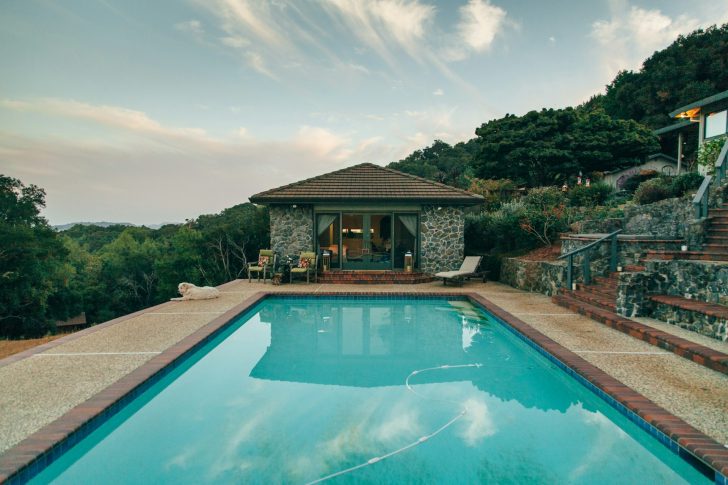
Jesse / Unsplash / The story begins in the first century. Roman scholar Pliny the Elder wrote about the healing springs in the region. People believed the water could ease illness and restore strength.
That belief kept visitors coming back century after century.
Many people claim the word “spa” comes from the Latin phrase meaning health through water. Historians disagree and point to older Germanic words that mean bubbling water. The springs in Spa are rich in iron and sodium chloride. They have a sharp, mineral taste that locals still recognize. As visitors carried stories home, the town’s name became shorthand for any health retreat built around water.
By the 18th century, Spa was no longer a quiet healing stop. It had turned into Europe’s most fashionable health resort. Royalty, writers, and thinkers filled its inns and bathhouses. The visit that changed everything came in 1717.
Peter the Great, Tsar of Russia, arrived seeking relief from health problems. He stayed for a month, and his presence drew attention across Europe. If a powerful ruler traveled there for healing, others wanted to follow. Soon, the town hosted figures such as Voltaire, René Descartes, and King Charles II of England. Spa became a place to be seen, relax, and recover all at once.
In 1868, the Grand Municipal Baths opened, raising the bar. Guests bathed in elegant halls designed for comfort and spectacle. The town mixed medicine with music, conversation, and gambling. Healing and high society shared the same space.
The Original Spa Town Still Stands
Modern visitors can still soak in those famous waters. Les Thermes de Spa sits on a hill overlooking the town. The complex offers thermal pools, jacuzzis, and steam rooms that use the same mineral-rich springs. The setting feels calm and green, far from city noise.
The town also preserves its story at the Musée de la Ville d’Eaux. Exhibits walk visitors through centuries of bathing culture and social life. In 2021, UNESCO added Spa to the World Heritage List as part of the Great Spa Towns of Europe. That recognition confirmed what history already showed. This place shaped how Europe understood health, travel, and leisure.
Spa’s influence goes beyond architecture and tourism. Its name spread into everyday language. Today, people use the word “spa” to describe everything from luxury resorts to corner nail salons. Few realize they are speaking the name of a small Belgian town.
California Reinvents Wellness
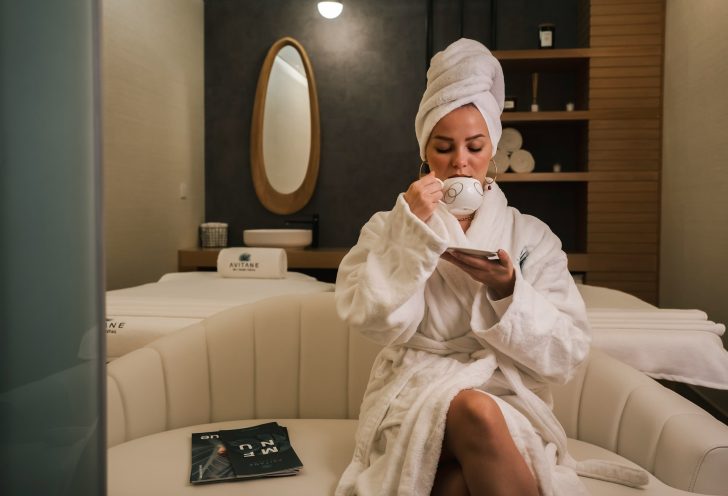
Usen / Unsplash / In the 1960s, a different kind of wellness culture took shape in California.
Esalen blended psychology, philosophy, yoga, and alternative medicine. It treated wellness as a lifelong practice, not just a cure for illness. This approach moved the focus from fixing sickness to building a balanced life. That shift changed how people thought about health.
In the 1970s, Dr. John Travis opened the Wellness Resource Centre in Mill Valley. Inspired by Halbert Dunn’s book “High-Level Wellness,” Travis encouraged clients to look at stress, habits, and goals. He pushed people to take charge of their own health. Nutrition, biofeedback, and personal growth became part of the conversation.
The counterculture movement fueled this change. Young people rejected rigid social rules and searched for meaning. Wellness became a path to self-understanding. Over time, that personal search turned into a market.