Why the Plastic Recycling Industry Is Crumbling Under Economic Pressure
The plastic recycling industry isn’t just struggling. It is cracking wide open. Across Europe and the UK, recycling plants are shutting down at a shocking rate. Since 2023, nearly a million tonnes of recycling capacity have vanished.
Why is this happening? It is money. High energy and labor costs make recycling expensive, especially when compared to virgin plastic shipped from Asia at a lower cost. Furthermore, weak laws allow companies to evade responsibility. Many just export their waste or pay fines instead of supporting domestic recycling.
Business Model Is Broken
The harsh truth is that plastic recycling doesn’t make financial sense right now. Virgin plastic, made from oil, is often cheaper and easier to use. Recycling requires more energy, time, and money. And when profit margins are tight, companies go the cheaper route.
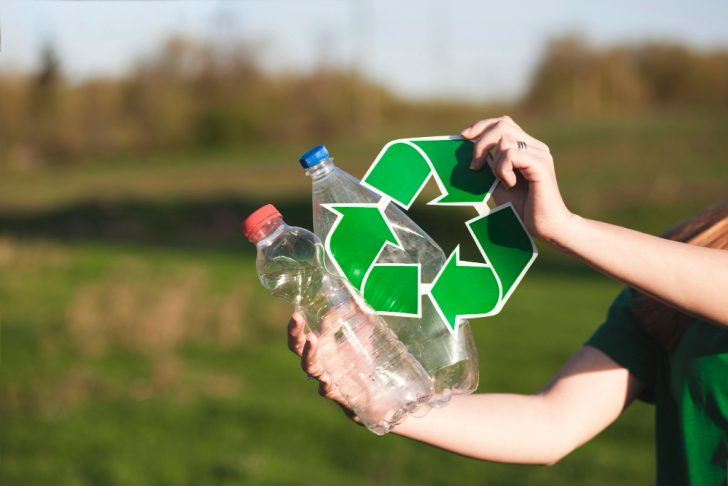
Freepik / Plastic Recyclers Europe, a key industry group, said we are “almost witnessing the demise of plastic recycling as we know it.”
It is the reality. If something doesn’t change fast, this industry could collapse entirely.
Still, not all hope is lost. Some powerful forces are stepping in to turn things around. These include smart laws, fresh technology, and better ways of doing business. The cracks are big, but they are not beyond repair.
Governments are starting to get serious. Laws like Extended Producer Responsibility (EPR) force companies to take ownership of their plastic waste. Other policies demand a certain percentage of recycled plastic in new products. These create a guaranteed demand, giving recyclers a market to sell into.
Tech That Is Actually Useful
Old-school recycling isn’t designed for today’s mix of plastics. So, new tech is stepping in. One method, called advanced recycling, breaks plastics down into their original molecules. This can handle harder-to-recycle items like food packaging or multilayered films.
Another promising tool is enzymatic recycling. It uses special enzymes to break down plastics like PET with very little energy. Recent breakthroughs make it so efficient that the recycled plastic can actually be cheaper than the virgin stuff.
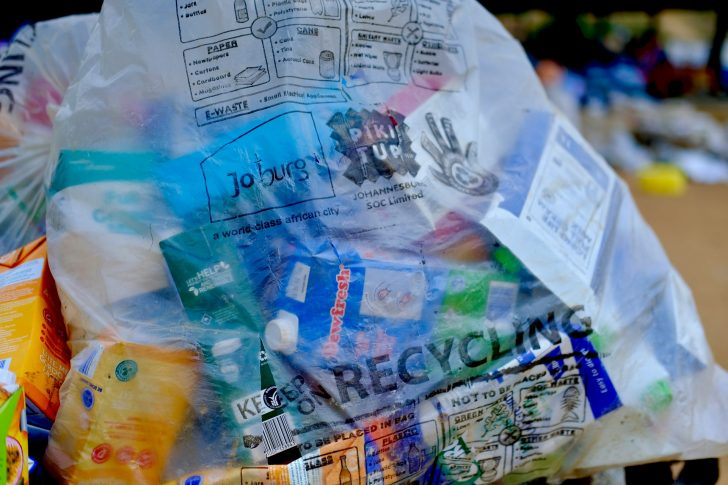
Calvin / Unsplash / Sorting waste used to be slow, dirty, and expensive. Now, AI and robotics are doing it faster and cleaner.
These machines can spot different types of plastic in a pile of trash and sort them with near-perfect accuracy. That is boosting efficiency and cutting costs in a big way.
On the business side, not all recycling is struggling. Industrial recycling, where clean, sorted waste comes directly from factories, is doing just fine. Companies like Seraphim Plastics focus only on this stream. It is consistent, scalable, and doesn’t rely on chaotic consumer habits.
The Economics Should Be Fixed First
To save this industry, recycled plastic has to compete with virgin plastic on price. Right now, it doesn’t. But that is starting to shift. Governments are adding taxes to virgin plastic, which makes recycled resin more appealing. Plus, oil prices aren’t as stable as they used to be. Virgin plastic isn’t cheap forever.
The real problem is that recycling has been treated as a side project. It can’t be. It has to be core to how we make and use plastic. That means strong incentives, serious investment, and a shift in mindset from brands and regulators.
To get there, we need a full system overhaul. Right now, it is often cheaper for brands to skip recycled content and just pay a fine. That is backward. We need rules that make recycling the smart financial choice, not the punishment.
That also means better infrastructure. The U.S. and parts of Europe still lack the sorting, collecting, and processing facilities to support real circular systems. And without those, all the policies in the world won’t help.